Chapter 1 · Lesson 3
Speed — limits and adapting
After this lesson, you can
- state the two defaults: 50 in a built-up area, 70 outside
- treat every posted number as a maximum and adapt below it
- name what you must adapt to: sight, surface, traffic, weather, load and the car itself
- slow early enough that the driver behind is not surprised
1. Two defaults, then the sign takes over
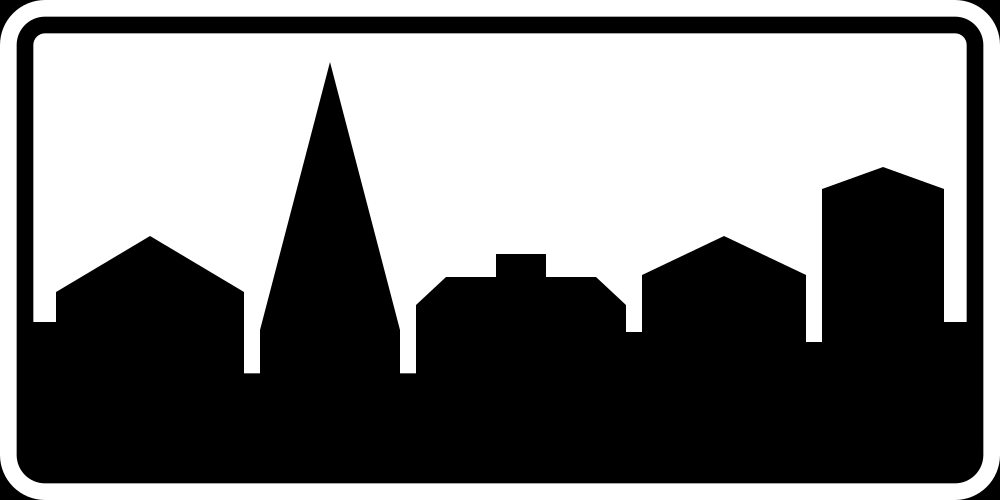
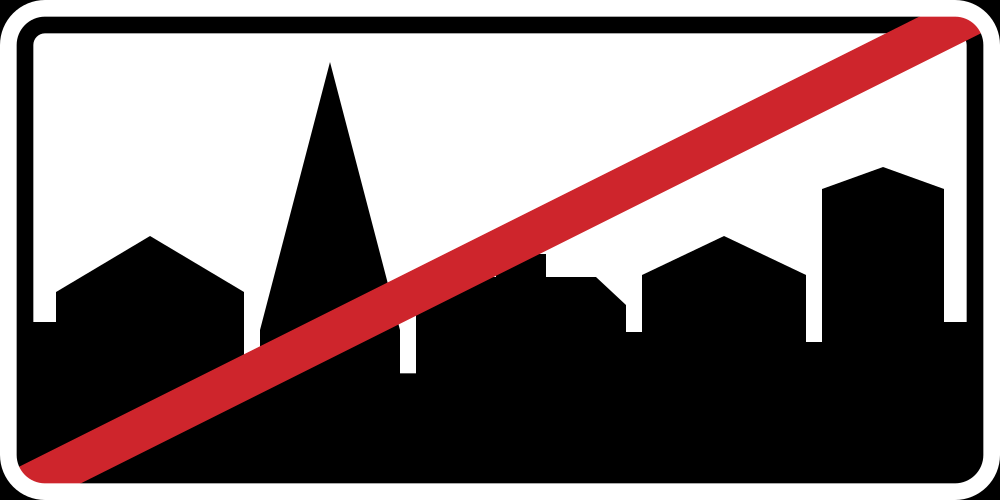
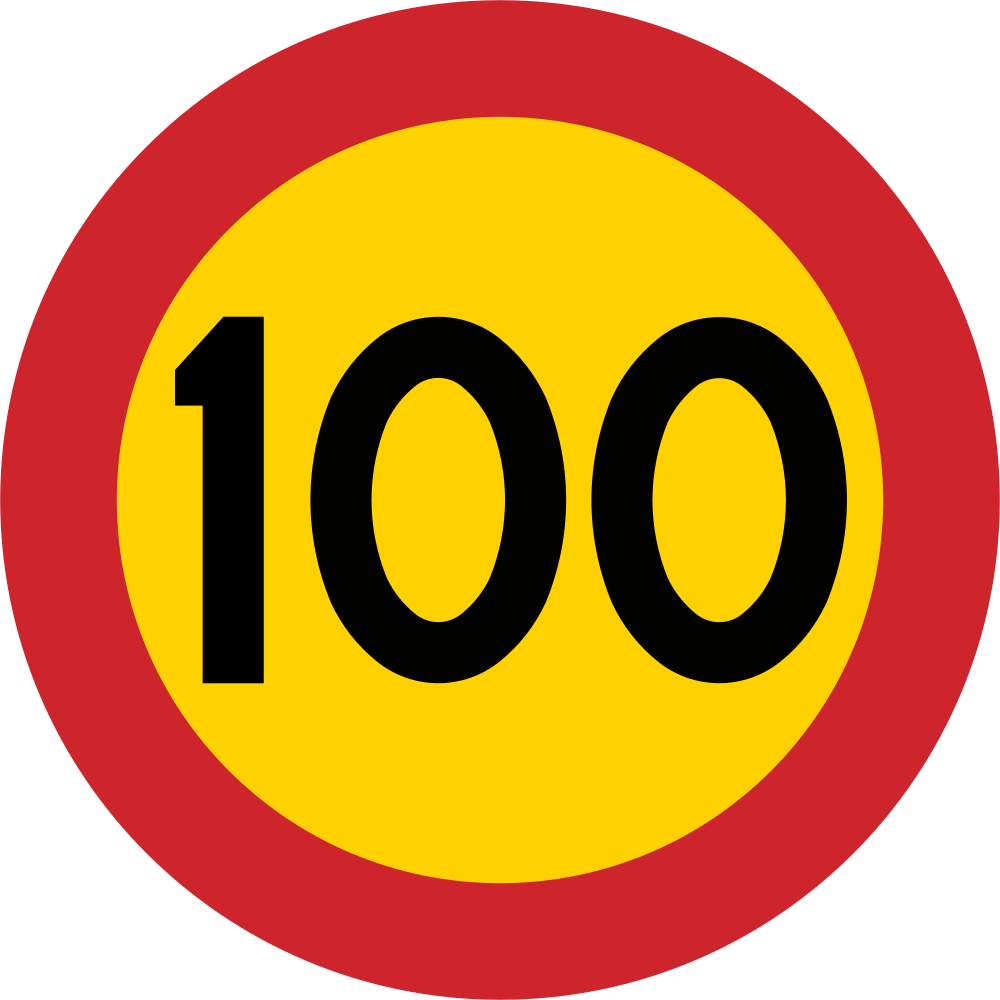
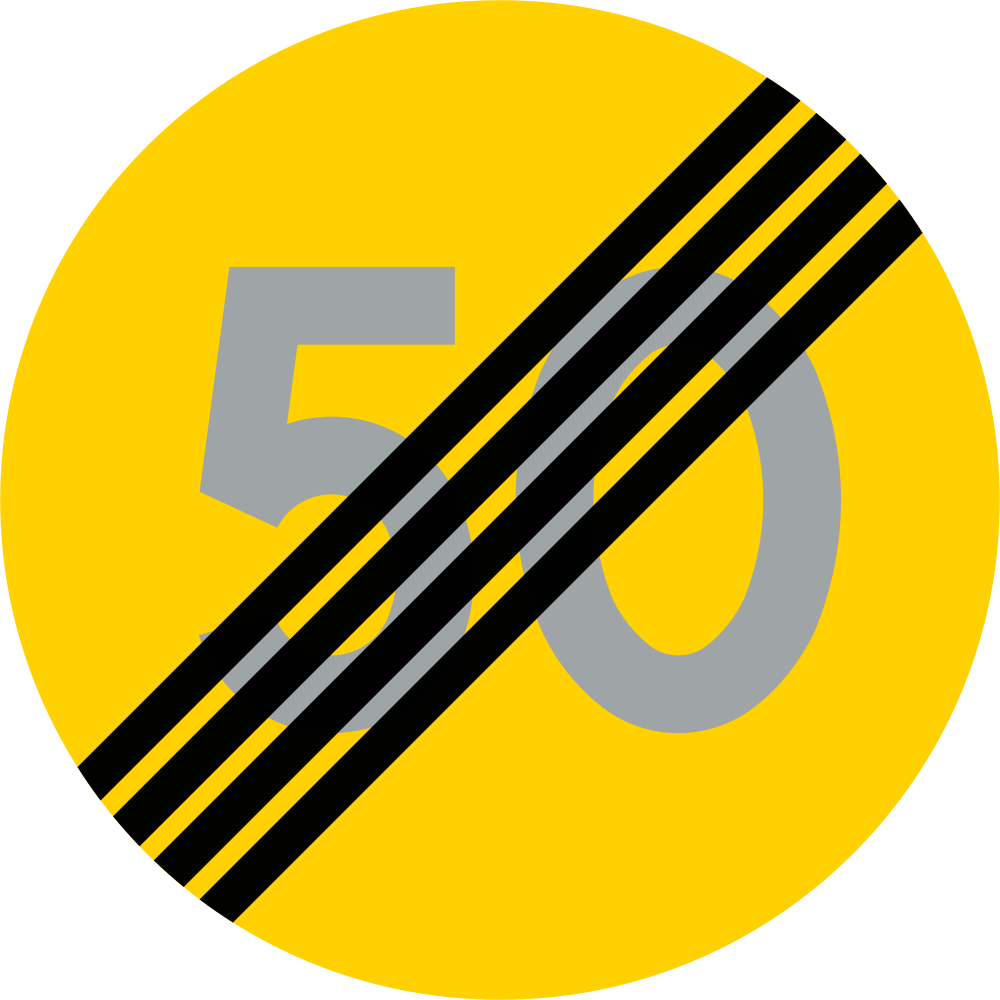
Where no speed sign stands, Sweden fills in the number. Inside a built-up area (E5) the default is 50 km/h. Outside it (E6, or never having entered E5) the default is 70 km/h. A numbered C31 sign replaces the default from that sign onward, until another speed sign, an end-of-limit sign, or a new default takes over. 30 and 40 zones near housing and schools are local decisions. They are not optional.
2. What adapting looks like
Adapting means you can stop for what you can reasonably foresee. A1 warns of a bend, A10 of a slippery road — both tell you the posted number may already be too high. Slow before the bend, not in it. In fog, heavy rain, or darkness past parked cars: come off the gas early, then use the brake. A long, early slowing is safer than one hard stamp.
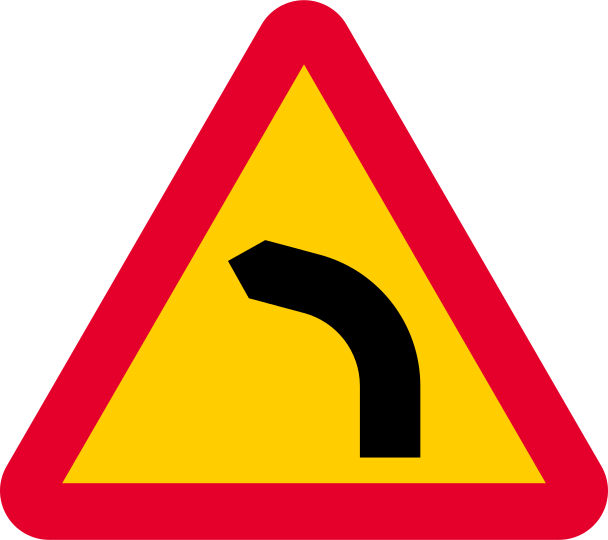 A1Dangerous curve
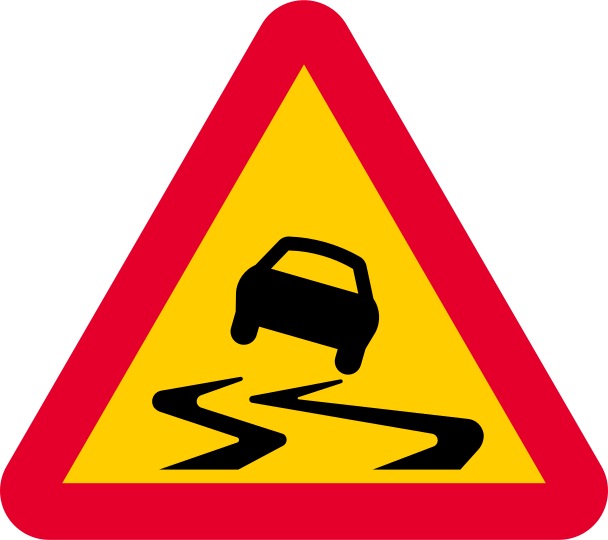 A10Slippery road
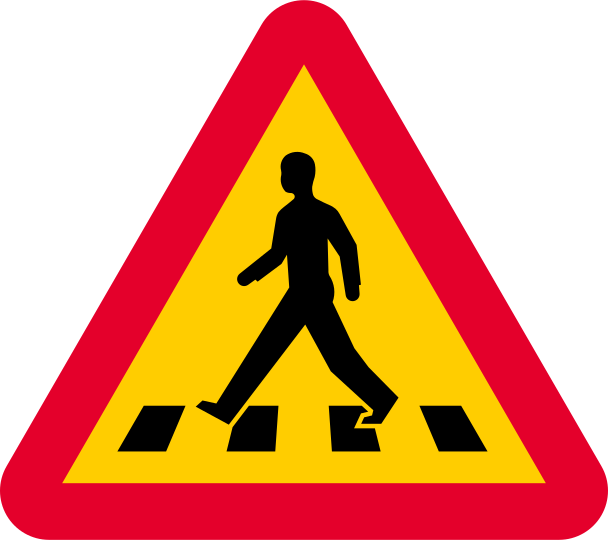 A13Pedestrian crossing ahead
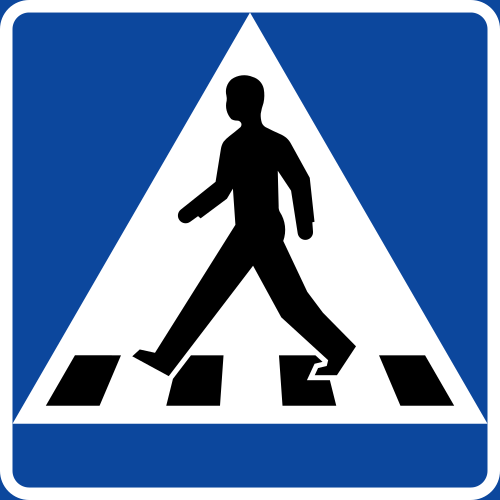 B3Pedestrian crossing
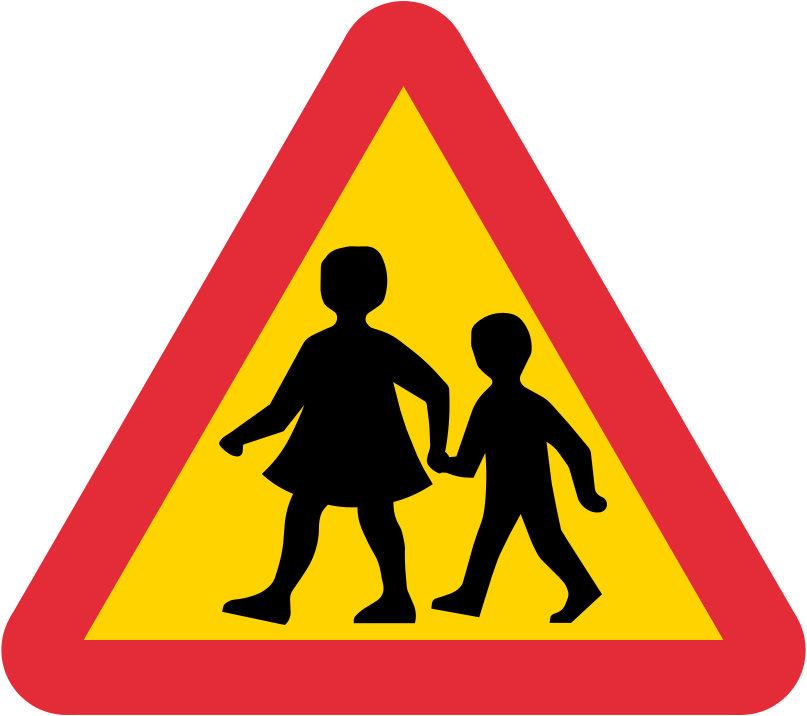 A15Children
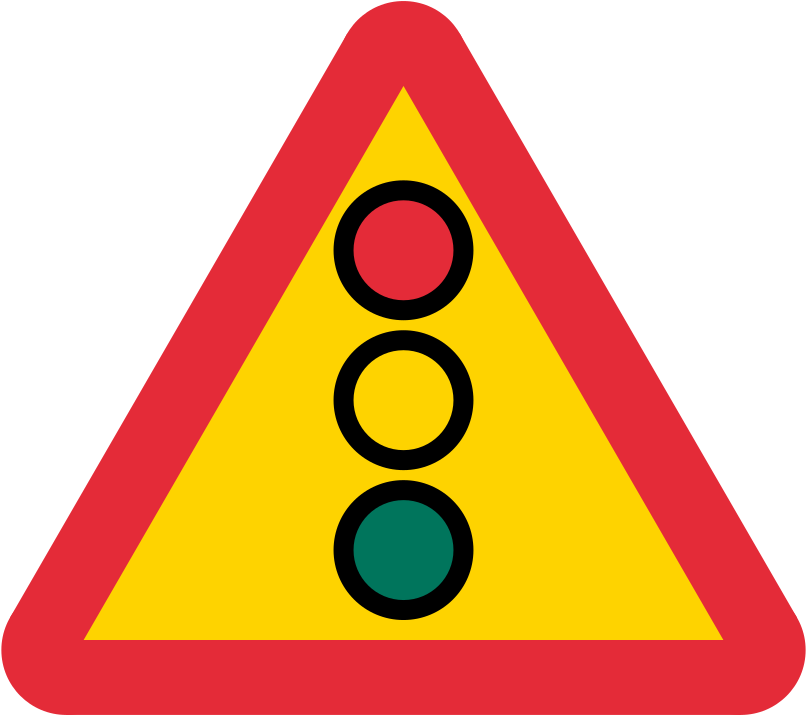 A22Traffic signals ahead
- You must keep a speed that lets you stay in control and stop on the stretch of road you can see, and before any obstacle you can foresee.
- Places that almost always need a lower speed: built-up areas, pedestrian crossings, junctions, sharp bends, crests, glare, narrow meetings, ice, children beside the road, a stopped bus or tram, animals on the road, roadworks, and an accident scene.
- If you need to slow a lot, start early so the driver behind has time to react. Needlessly crawling without a reason can itself be a disturbance.
Example
Posted 100, thick fog, forty metres of sight
The sign says 100. Fog cuts your view to about forty metres. The car behind sits close. A passenger says 100 is fine because it is signed.
Answer: Drop to a speed you can stop from inside those forty metres, and let the tailgater pass at the first safe place.
The sign is a ceiling for good conditions. In fog, safety is limited by what you can see. The tailgater does not raise your limit. It is a second reason to create space.
E5 area, no speed sign, dry and empty at noon. What applies?
Pick one answer to see why.
You pass E6. No speed sign after it. What is the default now?
Pick one answer to see why.
3. Common mistakes
- The sign says my speed.The sign says the maximum. Conditions say the speed.
- Outside town it is always 70.70 is the default where nothing else is posted. A numbered sign replaces it.
- Slow is always safe.Needlessly slow without warning surprises the driver behind. Slow early, keep a gap, and do not crawl without a reason.
- In fog, keep up with traffic.In fog, keep a speed you can stop from inside your sight. Let the queue go.
Official source: Transportstyrelsen — Hastighet
Official source: Trafikförordningen (1998:1276) 3 kap. 14, 17 §§
Sign artwork: public domain (Transportstyrelsen). Lesson text is a MinKörkort study draft — not the official legal wording.