Chapter 2 · Lesson 1
Lane types and where to place the car
After this lesson, you can
- say what counts as a lane, with or without paint
- hold the middle of your lane as the default
- set up left and right turns early so others read your plan
- place the car on narrow roads and bends without drifting
1. What a lane is, and where you sit
A lane is one strip of the carriageway for one file of vehicles. Marked lanes are obvious. Unmarked ones count too, wherever the width fits one file of four-wheeled vehicles going one way. Two cars squeezing side by side where one and a half files fit are not in two lanes — one of them is wrong.
Narrow road, wide lorry coming: slide a little right inside your lane, slowly, watching for cyclists and posts. A little left for a pothole is allowed only with clear sight and nothing coming. On a bend with poor sight, slow down and hold the middle instead of cutting the corner.
2. Setting up for the turn
Turns are announced with the car before the blinker — though you use both. On a two-way road, a left turn sits close to the left edge of your lane without blocking oncoming traffic. A right turn sits close to the right edge of the carriageway. Early and readable beats late and sharp.
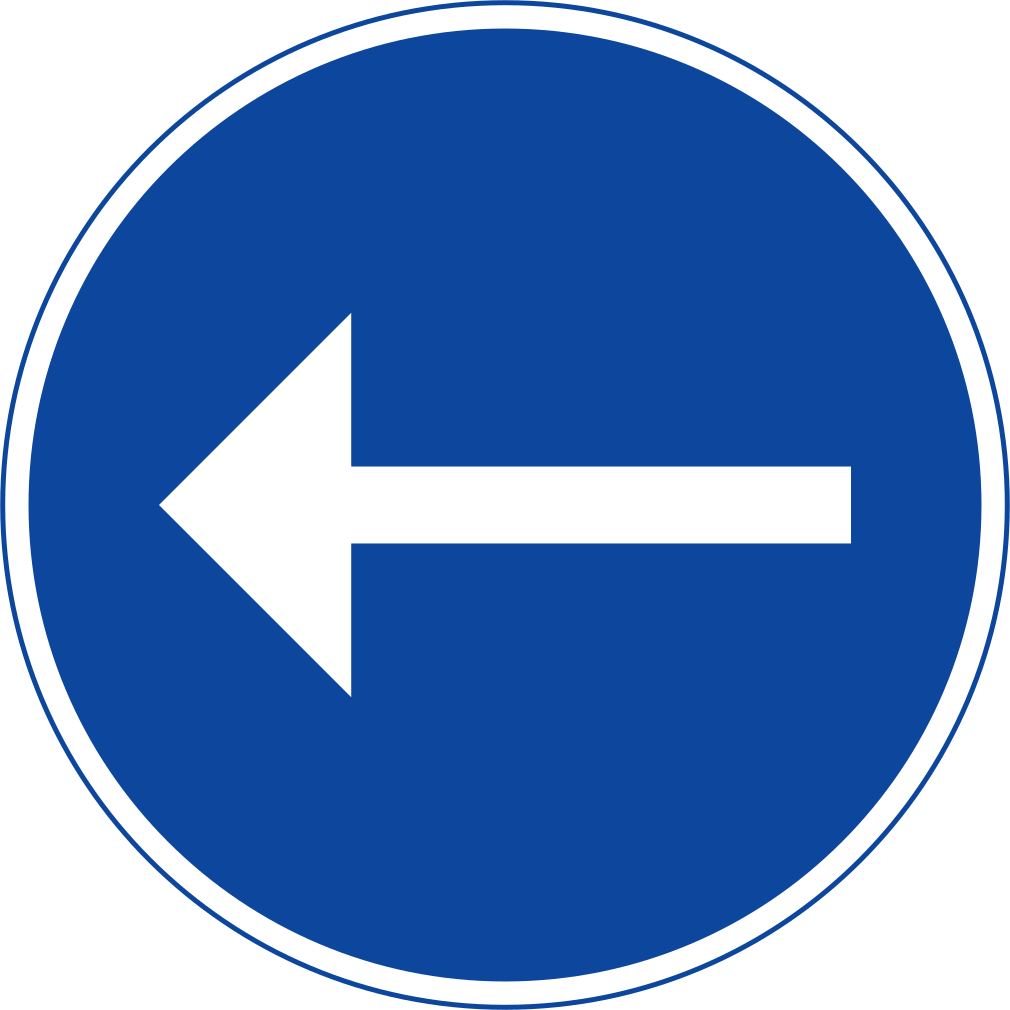
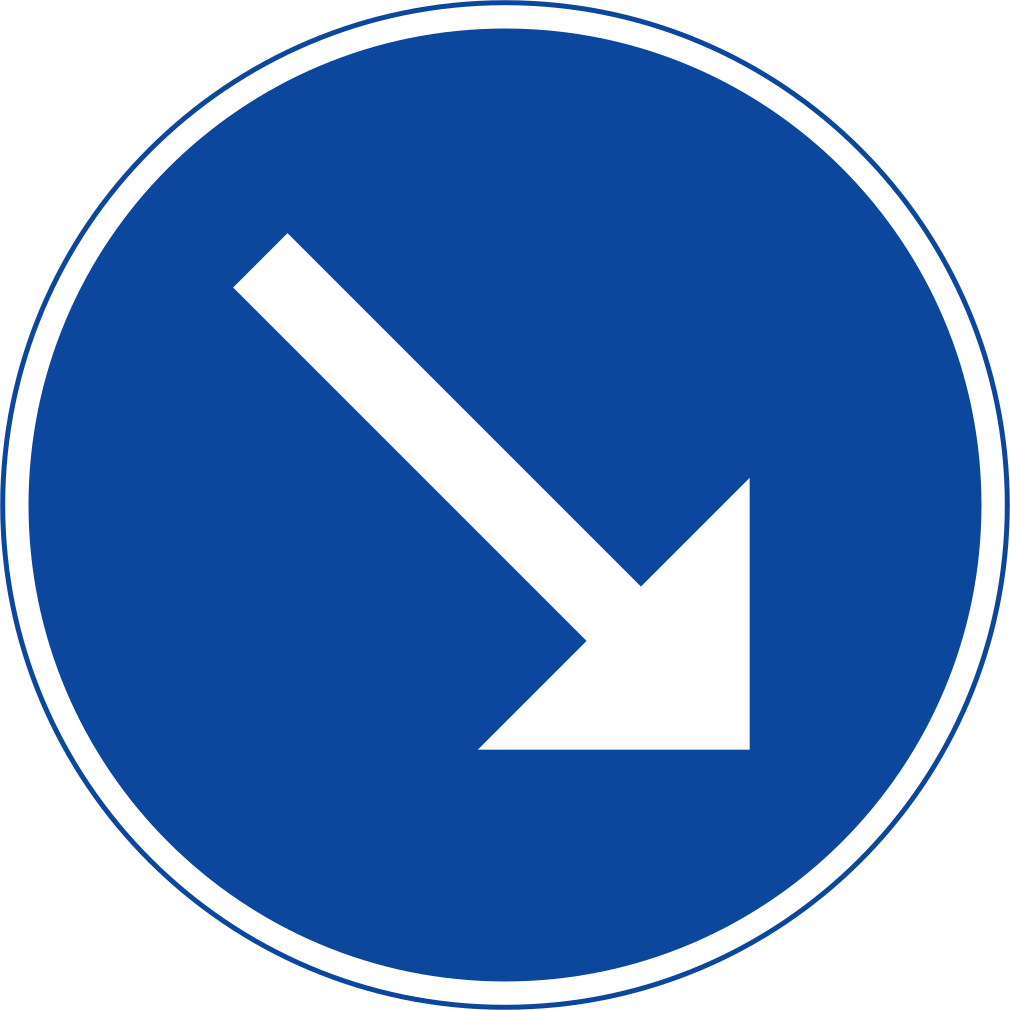
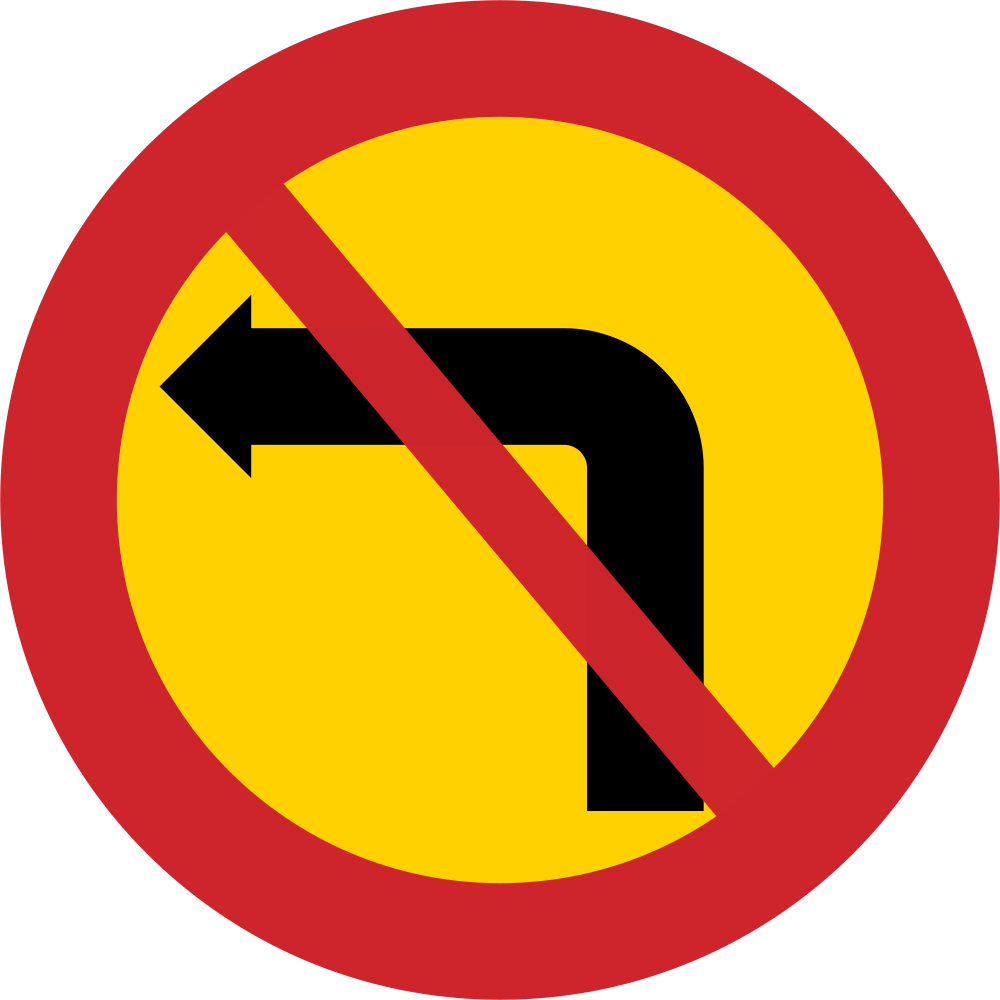
One-way street, no oncoming traffic: use the whole carriageway. Left turn from near the left edge, right turn from near the right edge. Swinging across from the wrong side at the last second is how cyclists get cut off.
Example
Right turn with a cyclist at the kerb
Two-way 40 street, parked cars on the right, a cyclist ahead near the gutter. You plan a right turn about eighty metres ahead.
Answer: Stay middle-to-right without squeezing the cyclist, indicate early, and close to the edge only once you have passed.
Right-turn placement is near the kerb, but the cyclist has that space until you have gone past. Placement never justifies squeezing someone off the lane.
Unmarked street, width for one file of cars each way. How many lanes?
Pick one answer to see why.
| Situation | Placement |
|---|---|
| Default | Middle of your lane |
| Left turn, two-way | Left of your lane, not over the centre |
| Right turn, two-way | Near the right edge — after you have passed a cyclist |
| One-way street | Left turn from the left edge, right from the right |
| D1 or C25 | Follow the blue arrow; do not take a banned turn |
3. Common mistakes
- No paint, no lane.Width decides. One file of cars is a lane with or without lines.
- Left means the left side of the road.Left means the left of your lane — the centre side, not the oncoming lane.
- Hug the kerb early for a right turn.Not past a cyclist. Pass first, then close to the edge.
- Cut the bend if nothing is coming.If you cannot see, assume something is. Slow and hold the middle.
Official source: Trafikförordningen (1998:1276) 3 kap. 7, 11–12 §§
Sign artwork: public domain (Transportstyrelsen). Lesson text is a MinKörkort study draft — not the official legal wording.