Chapter 2 · Lesson 2
Choosing and changing lanes
After this lesson, you can
- choose the rightmost suitable lane unless an exception applies
- name the two exceptions: low-speed multi-lane roads and lane arrows
- run the lane-change sequence without skipping the blind spot
- read solid and broken lines and bus lanes before crossing
1. Which lane is yours
The default is the rightmost suitable lane. “Suitable” matters: a lane full of parked cars, or one that ends in fifty metres, is not suitable. Two exceptions free your choice. Questions test both conditions, not one of them.
Wrong lane at the junction? Going straight on and turning around later is almost always better than swerving across solid lines. Missing an exit calmly is the correct recovery.
2. Changing lanes without surprises
- Space ahead first — if you tailgate, you cannot change safely.
- Mirrors, then the blind spot: a real head turn, not a glance at the pillar.
- Indicate, wait a beat, re-check. Someone may have moved into your gap.
- Glide across calmly. A gentle speed match helps; forcing in never does.
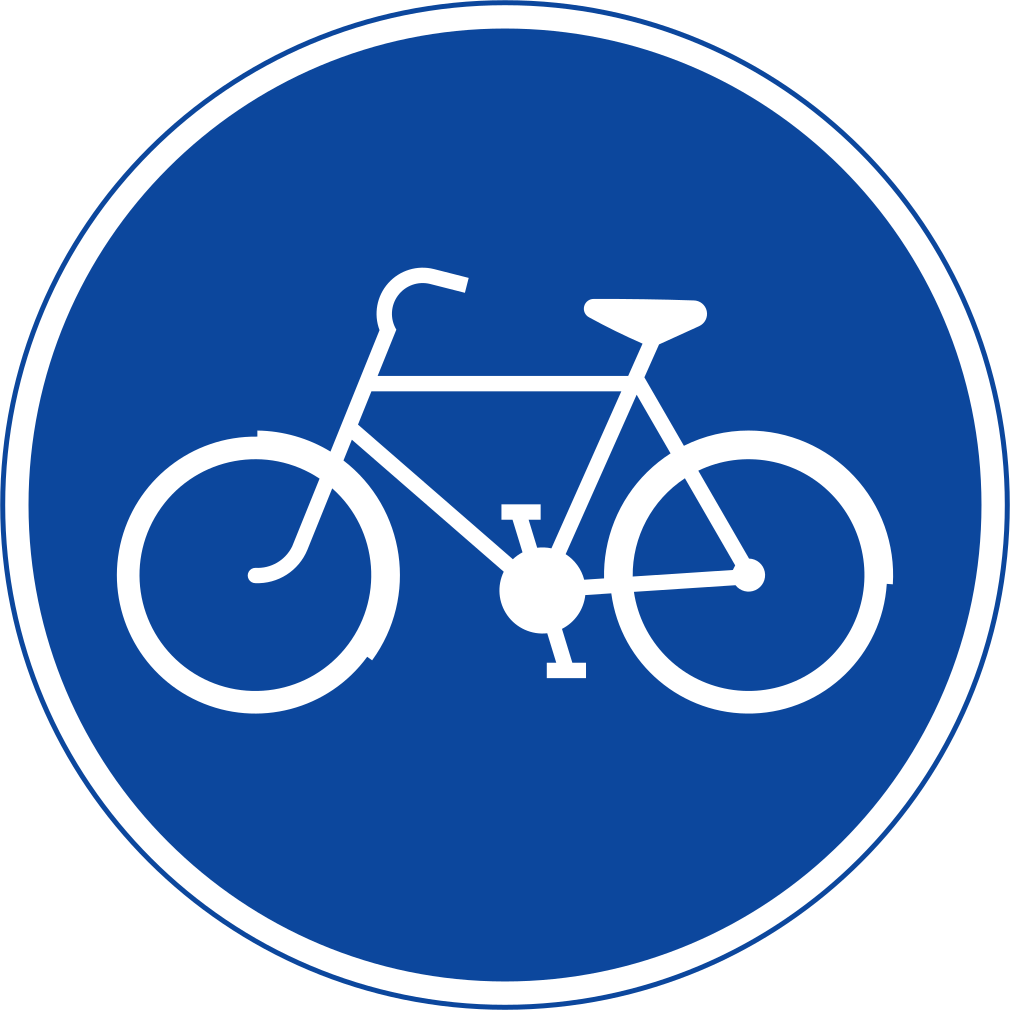
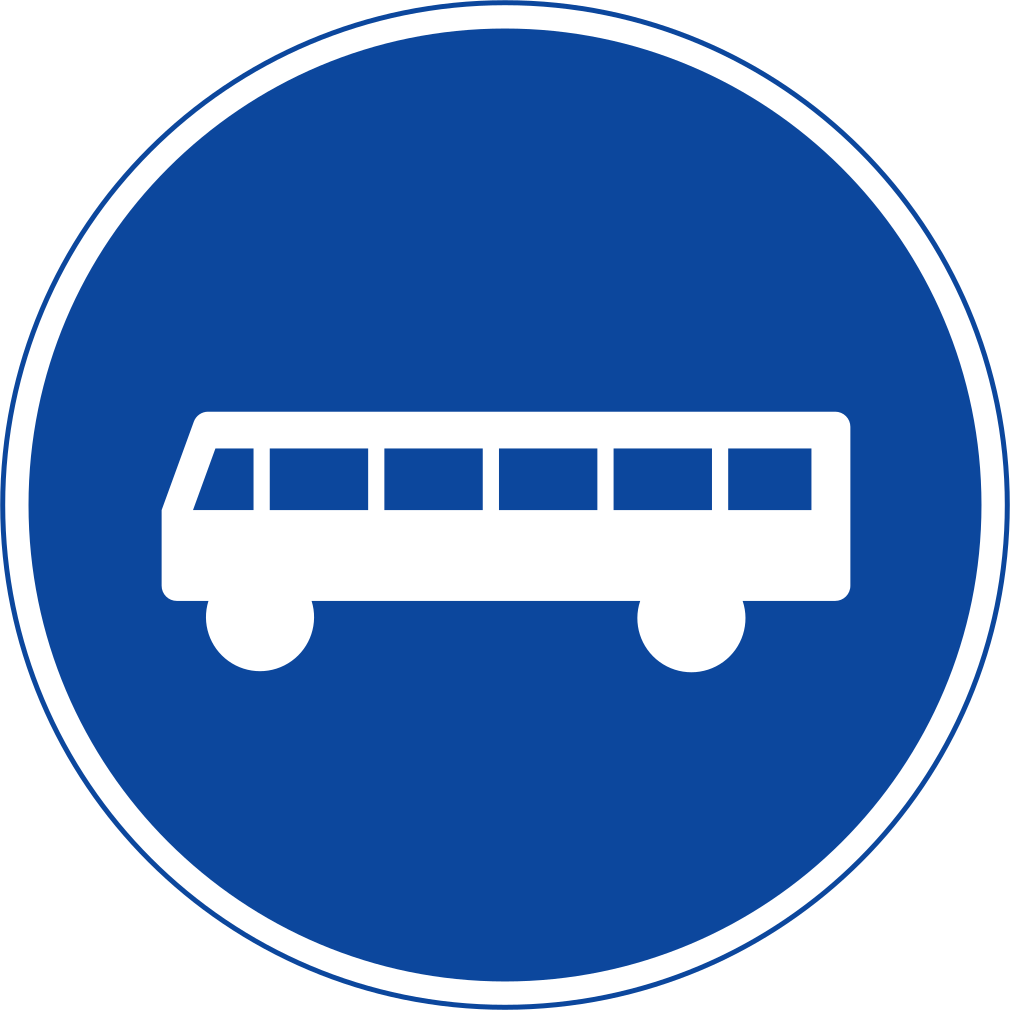
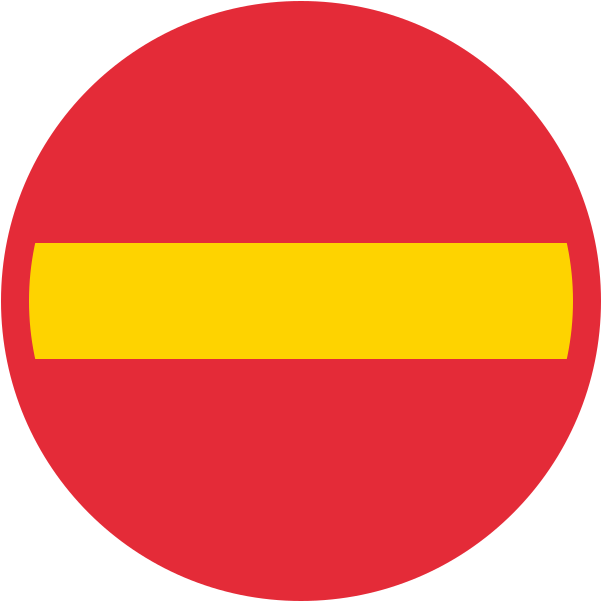
Bus lanes keep line traffic moving. Cycles and class II mopeds may use one on the right unless a panel says otherwise. Crossing one to reach a side street is allowed with care; travelling along it is not. Reversible lanes are rare — follow the signals, never habit.
Example
Three marked lanes, limit 50, left exit coming
Limit 50, three marked lanes in your direction. You need the second exit left at the lights. A taxi sits close behind in the middle lane.
Answer: Indicate, check the blind spot, and move to the middle lane early — before the junction, not at it.
Fifty with marked lanes is the free-choice exception, so the middle lane is allowed. An early move with a head check beats a late swing.
Limit 80, two marked lanes, all arrows straight. After overtaking, which lane?
Pick one answer to see why.
3. Common mistakes
- Right lane is for beginners.Right lane is the default. Free choice is the exception, with two conditions.
- Mirrors cover the blind spot.They do not. You still need a real head turn over the shoulder.
- Indicating gives me the gap.Indicating asks for the gap. The re-check decides whether it is yours.
- Bus lanes ban cycles too.Right-side bus lanes allow cycles and class II mopeds unless a panel bans them.
Official source: Trafikförordningen (1998:1276) 3 kap. 7 §
Sign artwork: public domain (Transportstyrelsen). Lesson text is a MinKörkort study draft — not the official legal wording.